
Planning a wedding involves many different activities, and creating a Wedding Photography Timeline is one of the best ways to keep everything organized. From getting ready in the morning to performing traditional rituals, taking family photographs, enjoying the celebrations, and spending special time with your partner, there are many important moments to capture. Without proper planning, it can sometimes become difficult to manage everything on time.
A well-planned Wedding Photography Timeline helps the couple, family members, wedding planner, and photographer understand when different photography activities should happen. More importantly, it gives the photographer enough time to capture important moments naturally without making the couple feel rushed.
For Indian weddings, especially South Indian weddings, having a photography timeline is even more useful because the day may include several rituals, family traditions, ceremonies, and celebrations. With some preparation in advance, you can enjoy your wedding while still getting a beautiful collection of photographs.
If you are looking for professional coverage for your special day, explore our wedding photography services to learn more about the photography options available for your celebration.
1. Start Your Wedding Photography Timeline with Getting Ready
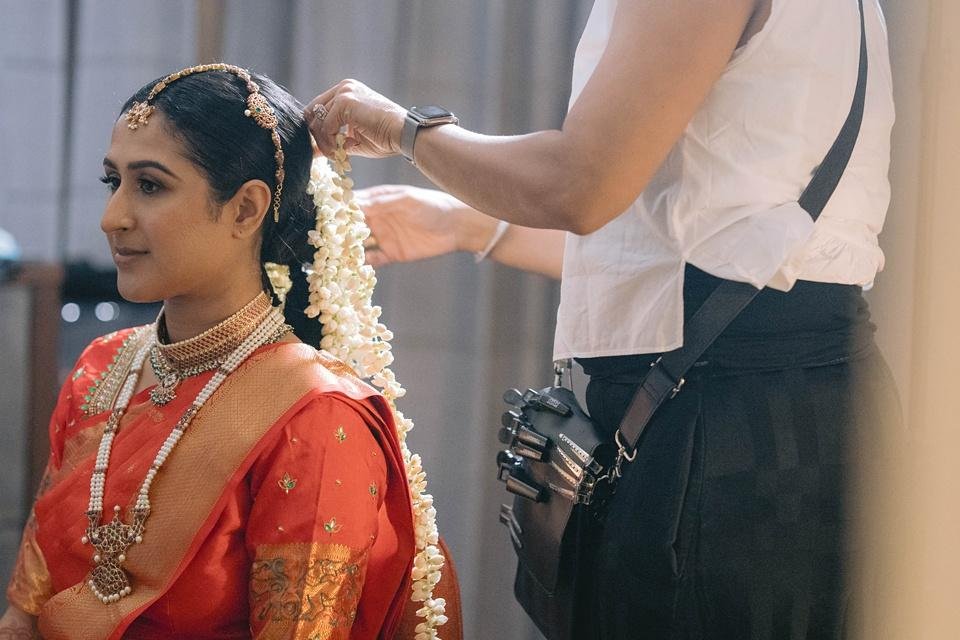
The getting-ready period is one of the most memorable parts of a wedding because it captures the excitement and emotions before the ceremony begins. When preparing your Wedding Photography Timeline, decide how much time the photographer needs to cover the bride’s and groom’s preparations. The arrival time should be based on the ceremony schedule, makeup duration, location, and photographs you want.
For the bride, this part of the day may include makeup and hairstyling, wearing the wedding saree, putting on traditional jewellery, arranging jasmine flowers, and getting ready with family members. For the groom, photographs may include dressing in traditional attire, adjusting his accessories, and sharing relaxed moments with parents, siblings, or friends.
It is also helpful to keep the preparation locations organized and allow enough space for the photographer to work comfortably. If the bride and groom are getting ready at different locations, share both addresses and travel arrangements in advance. Proper planning gives the photographer time to capture natural expressions and meaningful details instead of rushing through the preparations.
2. Allow Time for Wedding Detail Photos
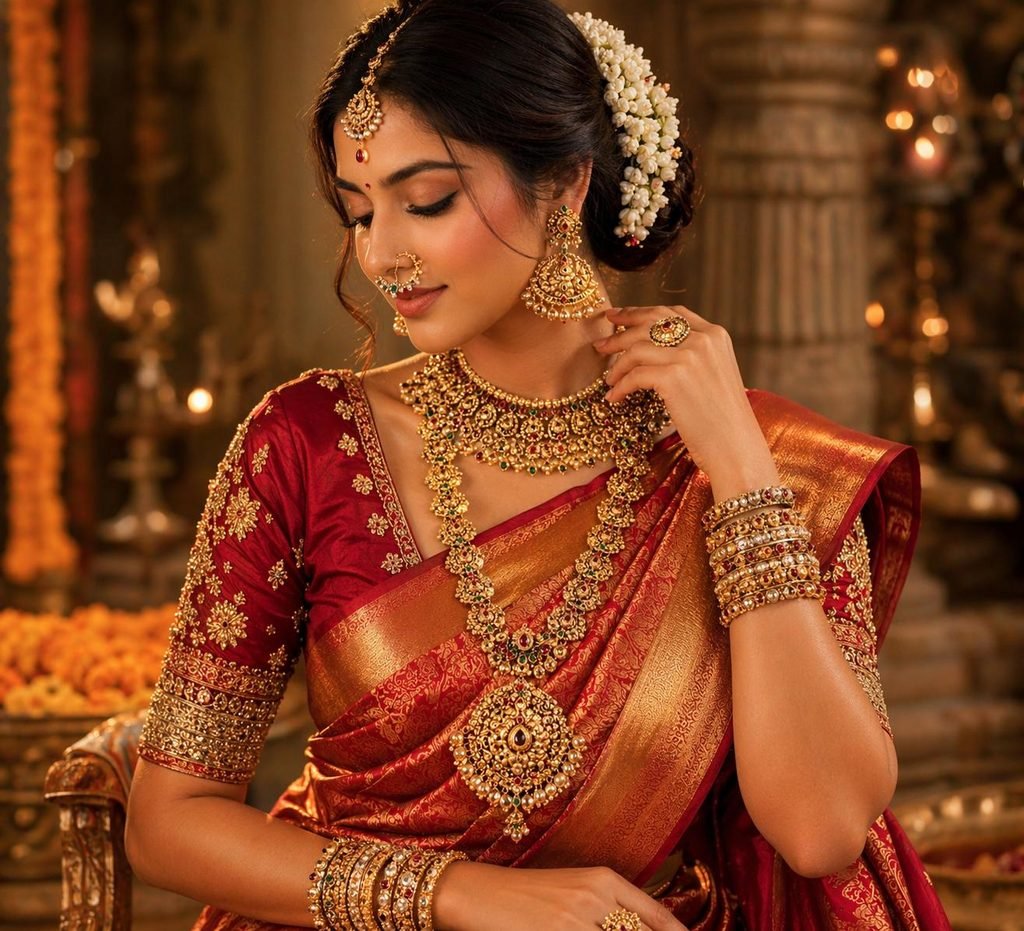
Wedding details help tell the complete story of your celebration. When planning your Wedding Photography Timeline, reserve some time for photographs of the items and decorations that make your wedding unique. These details may seem small during the busy celebrations, but they often become beautiful memories when you look through your wedding album later.
For a traditional South Indian wedding, the photographer might capture bridal jewellery, silk saree designs, bangles, jasmine flowers, wedding invitations, garlands, ceremonial items, and the mandapam decorations. Other details could include the wedding rings, floral arrangements, entrance decorations, and the seating prepared for family members.
Whenever possible, arrange these items before the photographer arrives. Keep jewellery, invitations, and other important accessories in one accessible place so they can be photographed without unnecessary delays. It is generally easier to photograph decorations before guests begin arriving and the venue becomes crowded. Discuss your preferred details with the photographer in advance so that the most meaningful elements of your wedding receive proper attention.
3. Include Main Rituals in Your Wedding Photography Timeline
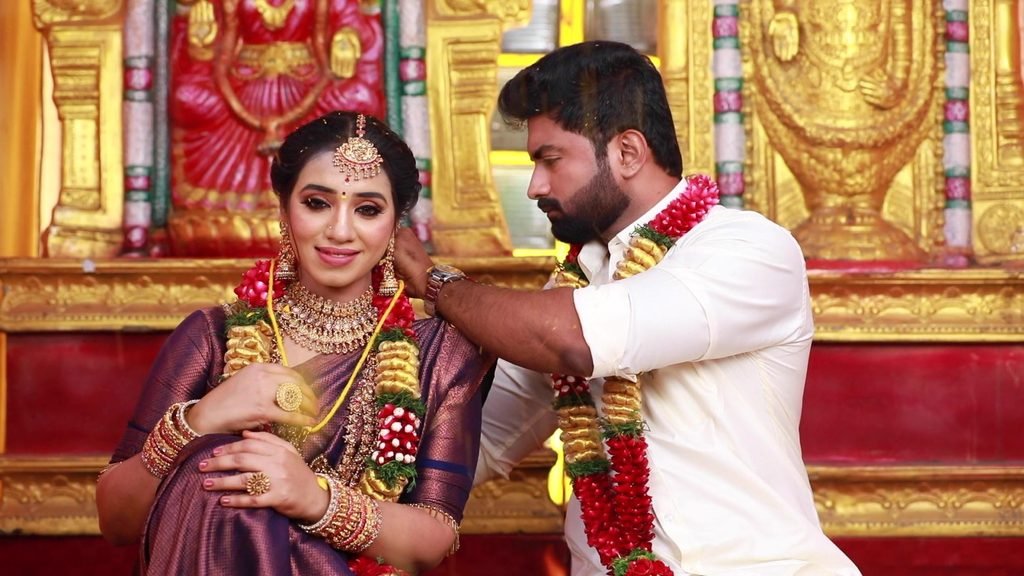
Indian weddings can include several important rituals, and each one may happen at a specific time. Your photographer should know the approximate ceremony schedule in advance.
Share the complete wedding schedule with your photographer before the wedding day. This allows them to prepare for important moments instead of trying to understand the schedule at the last minute.
For example, depending on your traditions, the photographer may need to capture the bride’s entrance, exchange of garlands, important prayers, tying of the mangalsutra, exchange of wedding vows, blessings from elders, traditional rituals, and other meaningful moments.
Some rituals may happen very quickly, so communicating the schedule beforehand helps the photographer stay prepared.
Planning a wedding involves coordinating many details, including ceremony timings, family arrangements, decorations, and photography schedules. To organize these activities more effectively, couples can explore wedding planning resources for additional ideas and guidance. Reviewing wedding planning resources in advance can help couples prepare a checklist, discuss important arrangements with their families, and communicate their expectations clearly to the wedding photographer.
4. Plan Family Photos in Your Wedding Photography Timeline
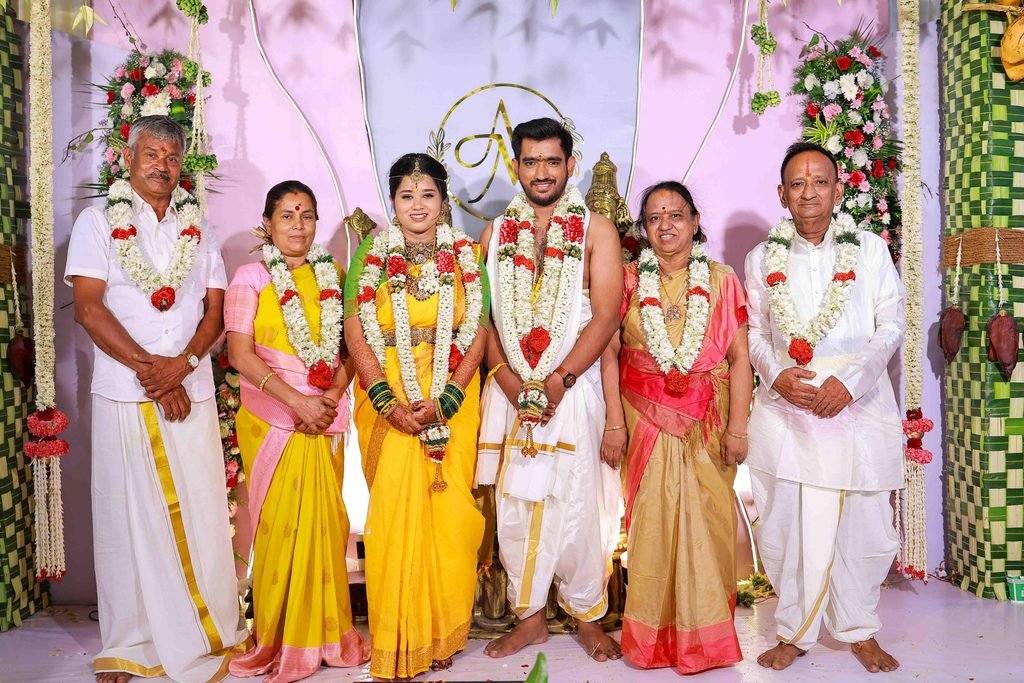
Family photographs are an important part of almost every Indian wedding. However, taking group photographs without preparation can sometimes take longer than expected.
Before the wedding, prepare a list of important family combinations. This could include photographs with parents, grandparents, siblings, close relatives, friends, and other important people.
For example, you may want photographs of:
- Bride with parents
- Groom with parents
- Bride and groom with both families
- Bride with siblings
- Groom with siblings
- Couple with grandparents
- Couple with close relatives
- Couple with childhood friends
Having a prepared list helps everyone know when they need to be present. It also reduces the chances of forgetting an important family photograph.
5. Schedule Couple Portraits in Your Wedding Photography Timeline
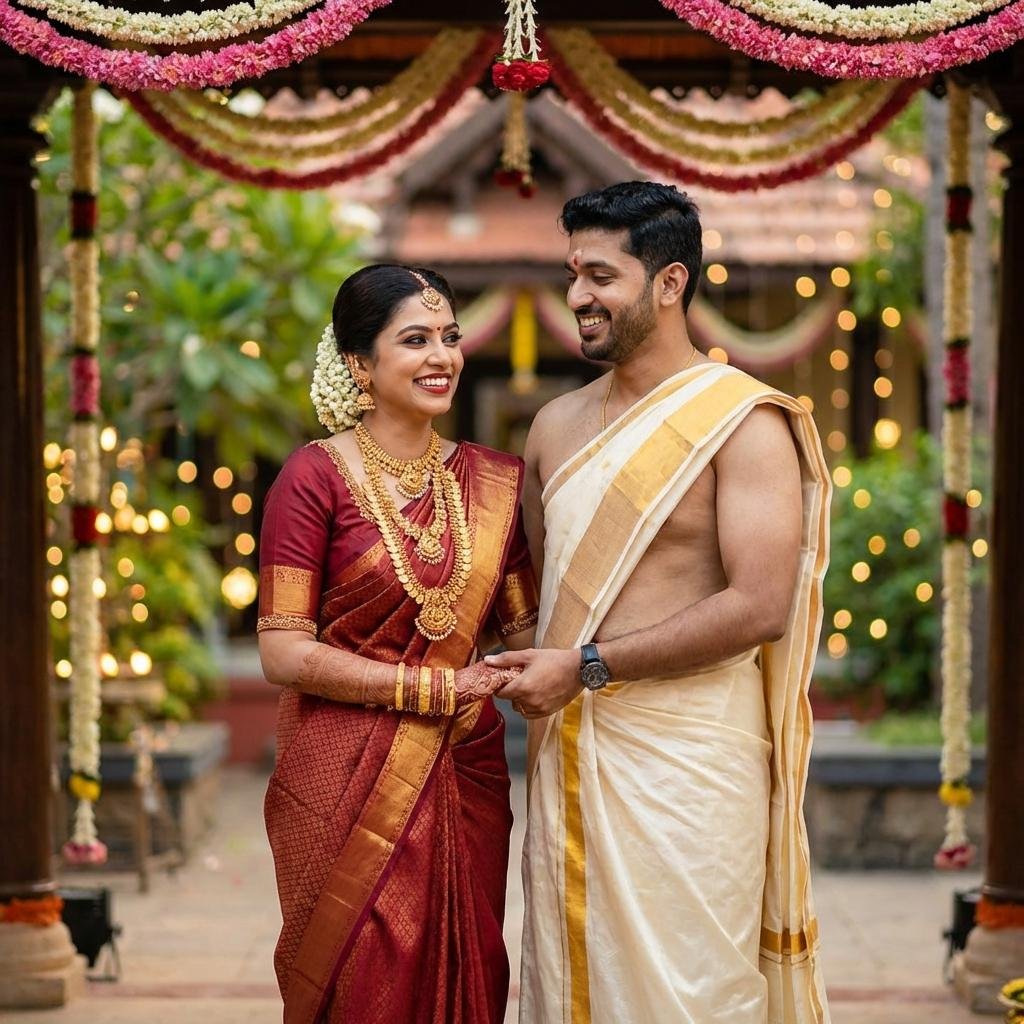
Your wedding day can become extremely busy, so it is important to keep some time exclusively for couple portraits.
You do not necessarily need a long photoshoot. Even 15 to 30 minutes can provide enough time for your photographer to create beautiful portraits if the location and lighting are suitable.
During this time, the couple can take a short break from the crowd and enjoy a few peaceful moments together. The photographer can capture natural expressions, traditional poses, walking photographs, close-up portraits, and candid interactions.
For Indian weddings, the wedding venue itself can provide beautiful backgrounds. Traditional decorations, flowers, temple-style elements, mandapam arrangements, and natural outdoor locations can all work well for couple portraits.
6. Include Candid Moments in the Timeline
A wedding photography timeline should not be completely filled with planned photographs.
Some of the most memorable wedding photographs happen naturally. A parent’s emotional expression, grandparents blessing the couple, friends laughing together, children playing at the venue, or the couple sharing a quiet moment can become valuable memories.
Give your photographer enough freedom to move around and capture these spontaneous moments.
Candid photography works best when people are comfortable and not constantly being asked to pose. Instead of planning every photograph, leave some open time during the wedding day for natural moments to happen.
7. Coordinate with the Wedding Team
Photography does not happen separately from the rest of the wedding. The photographer needs to coordinate with the bride, groom, family members, makeup artists, decorators, wedding planners, and other people involved in the event.
If there are multiple ceremonies, make sure everyone knows the approximate timing. If the ceremony location changes, inform the photographer in advance.
For larger weddings, having one person from the family or wedding team who can help gather family members can save a lot of time during group photographs.
Good coordination allows the photographer to focus more on creating photographs rather than spending too much time trying to find people.
8. Share the Timeline with Your Photographer Early
Do not wait until the wedding morning to explain the complete schedule.
Send your photographer the wedding timeline several days or weeks before the event whenever possible. Include ceremony timings, getting-ready locations, venue details, important rituals, family photograph requirements, and any special moments you want photographed.
If there are traditions that your photographer may not be familiar with, explain them briefly. This can help them understand when an important moment is about to happen.
The more information the photographer has beforehand, the better prepared they can be.
Choosing the right wedding photographer in Anantapur can also help you discuss your preferred photography style, ceremony schedule, and important family moments before the wedding.
9. Add Buffer Time to Your Wedding Photography Timeline
Wedding schedules rarely go exactly according to plan. A ceremony may start late, guests may take longer to arrive, makeup may take additional time, or a ritual may continue longer than expected.
This is why your Wedding Photography Timeline should include some flexibility.
Avoid scheduling every activity back-to-back with no gap. Even a small buffer between major activities can make the day feel much more relaxed.
If one activity gets delayed, the extra time can help prevent the entire photography schedule from falling behind.
10. Consider the Lighting Conditions
Lighting can have a major impact on wedding photographs. When creating your photography timeline, consider whether you want outdoor photographs during morning, afternoon, or evening light.
For example, if you want natural-light couple portraits, discuss the ideal time with your photographer beforehand. Your photographer can suggest a suitable time depending on the venue and the type of photographs you want.
For indoor ceremonies, the photographer may also need to understand the lighting conditions inside the wedding hall or mandapam.
Planning around available light can help create more natural and visually pleasing photographs.
11. Prepare a Shot List for Important Moments
A shot list is useful when there are specific photographs you definitely want in your wedding album.
You can make a simple list of must-have photographs, such as:
- Bride getting ready
- Groom getting ready
- Bridal jewellery
- Wedding decorations
- Bride’s entrance
- Groom’s entrance
- Exchange of garlands
- Important wedding rituals
- Couple portraits
- Family photographs
- Friends group photographs
- Emotional moments
- Traditional details
- Final celebration photographs
The list should guide the photographer without restricting their creativity. Your photographer can capture the planned photographs while also looking for unexpected moments throughout the day.
12. Don’t Forget the Reception and Celebrations
If your wedding includes a reception or post-wedding celebration, include it in your photography timeline as well.
Reception photography can include couple entry, stage photographs, family greetings, guests interacting with the couple, speeches, performances, cake cutting if applicable, dancing, and candid moments.
If the reception is on a different day from the wedding ceremony, create a separate photography schedule for it.
This helps ensure that the photographer knows which moments are most important and when they are expected to happen.
13. Communicate Special Photography Requests
Every couple has certain moments that are particularly meaningful to them. Perhaps you want a photograph with your grandparents, a special portrait with your childhood friends, or a photograph of a particular traditional ritual.
Tell your photographer about these requests before the wedding.
You can also share examples of photography styles you like, but remember that your photographer may suggest different approaches depending on the venue, lighting, and situation.
Clear communication helps the photographer understand your expectations while still allowing them to work creatively.
14. Keep the Timeline Comfortable for the Couple
The wedding day is not only about photography. It is also a special day that you should be able to enjoy with your family and friends.
Avoid creating a photography schedule that makes you spend the entire day posing for photographs.
A good timeline balances planned photographs with ceremonies, family time, meals, rest, and celebrations. This allows the photographer to capture beautiful images while the couple remains relaxed and present in the moment.
The best photographs often happen when people are genuinely enjoying themselves.
15. Review the Timeline Before the Wedding Day
A few days before the wedding, review the complete timeline once again.
Check whether the ceremony timings have changed, whether the venue arrangements are confirmed, whether the getting-ready location is finalized, and whether any additional photography requests need to be added.
Share the updated schedule with your photographer and other important members of the wedding team.
This final review can help avoid confusion on the wedding day.
Final Thoughts
A carefully planned Wedding Photography Timeline can make wedding photography more organized, relaxed, and enjoyable. From getting-ready photographs and wedding details to traditional rituals, family portraits, couple photographs, and candid celebrations, every part of the day deserves enough time.
The goal is not to plan every second of your wedding. Instead, create a flexible structure that gives your photographer enough time to capture the important moments while allowing you to enjoy the celebration.
For an Indian or South Indian wedding, communicating the ceremony schedule, important rituals, family combinations, and special photography requests in advance can make a significant difference.
With proper planning and good communication, your wedding photographer can focus on telling the complete story of your special day through photographs that you can look back on for years to come.