
Introduction
Your Wedding Photography Session is an opportunity to capture the beautiful moments of your wedding day that you will cherish for years to come. From the excitement of getting ready in the morning to emotional wedding rituals, family celebrations, couple portraits, and little candid moments, every part of the day can become a meaningful memory.
A little preparation before your wedding photography session can make a big difference. You do not need to be a professional model or know dozens of poses to get beautiful photographs. The most important things are feeling comfortable, communicating with your photographer, and allowing yourself to enjoy the celebration.
Planning your outfits, accessories, locations, family photographs, and photography timeline in advance can reduce unnecessary stress on the wedding day. When everything is reasonably organized, you can spend more time enjoying the people around you while your photographer captures the genuine emotions and important details.
Whether you are planning a traditional South Indian wedding, an intimate ceremony, or a larger Indian wedding celebration, these simple preparation tips can help you feel more confident and relaxed in front of the camera.
1. Discuss Your Photography Style for Your Wedding Photography Session
Before the wedding, take some time to discuss your preferred photography style with your photographer. Every couple has a different idea of what their wedding album should look like. Some couples love natural candid photographs, while others prefer traditional portraits or a combination of both.
If you enjoy candid photography, tell your photographer that you would like natural interactions, smiles, laughter, emotional moments, and behind-the-scenes details to be captured without constantly looking at the camera. If traditional photography is important to you, discuss the family portraits and important ceremonial photographs you want.
You can also share a few sample photographs that represent the type of images you like. This gives your photographer a better understanding of your expectations while still allowing them to use their own creativity and experience.
The goal is not to copy another couple’s photographs. Instead, use your references to communicate the mood, composition, and style that you personally enjoy. Before finalizing your plans, explore our wedding photography services to understand the different photography options available for your special day.
2. Plan Your Outfits for Your Wedding Photography Session
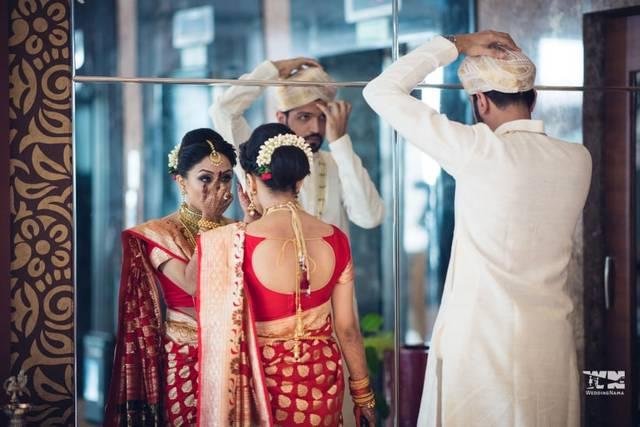
Choosing the right outfits can make your Wedding Photography Session more comfortable and enjoyable. Select clothes that reflect your personal style and suit your wedding traditions. For a South Indian wedding, traditional silk sarees, dhotis, sherwanis, and elegant jewellery can add beauty to your photographs. Make sure your outfits fit comfortably and allow you to move freely throughout the day.
If you are planning a separate couple portrait session, consider keeping a second outfit ready. You can choose traditional attire for a classic look or something simpler for relaxed photographs. Discuss your outfit choices with your photographer so the colours, accessories, and overall style complement the location and photography theme.
Most importantly, choose outfits that make you feel confident rather than uncomfortable. When you feel relaxed in what you wear, your expressions and body language will look more natural in your wedding photographs.
3. Prepare Your Accessories
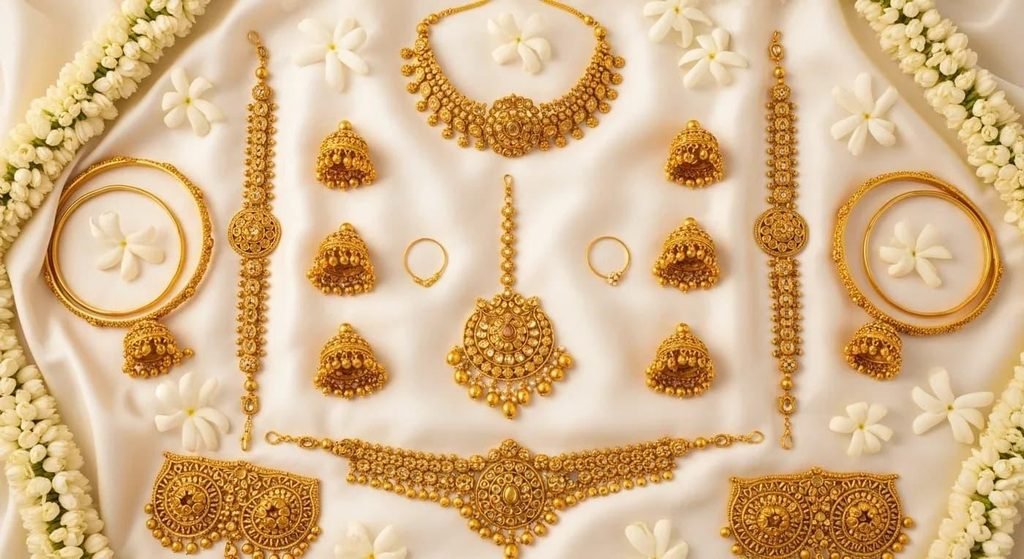
Small details can add a lot of personality to wedding photographs. Jewellery, footwear, flowers, bangles, watches, invitations, rings, garlands, and other meaningful items can all become part of your wedding story.
Keep the important accessories together in one easily accessible place before the photography begins. This saves time and makes it easier for your photographer to capture detailed photographs without interrupting your preparation.
For example, bridal jewellery can be photographed separately before the bride puts it on. Wedding rings can also be captured alongside flowers, invitations, or other meaningful details.
If there is a particular family heirloom or sentimental item that you want included in your photographs, let your photographer know in advance. These personal details can make your final wedding album feel much more connected to your story.
4. Choose Locations for Your Wedding Photography Session
Choosing the right location can make your Wedding Photography Session more memorable. Look for places at your wedding venue that have attractive backgrounds, good lighting, and enough space for comfortable portraits. A decorated mandapam, garden, traditional entrance, or quiet outdoor corner can provide beautiful settings for couple photographs.
Natural lighting can add warmth and beauty to your wedding pictures. Depending on the time of day, your photographer can help you choose suitable spots for portraits and candid photographs. If your wedding takes place indoors, decorated stages and traditional backdrops can also create lovely photographic opportunities.
If you are planning a separate pre-wedding or couple photography session, discuss the location with your photographer in advance. Choose a place that reflects your personality and complements your outfits. Planning these details beforehand can help you feel relaxed and make better use of the time available for your photographs.
5. Share Your Wedding Timeline
A clear wedding timeline helps your photographer understand when and where important moments will happen. Share the schedule as early as possible, especially if your wedding includes multiple rituals, ceremonies, locations, or events.
Include important details such as the bride and groom’s preparation time, ceremony start time, family photographs, couple portraits, reception, special rituals, and other planned celebrations.
Indian weddings can involve several traditions happening throughout the day. Some rituals may happen quickly, so your photographer needs to know about them in advance to be ready at the right location.
A well-planned timeline does not mean every minute has to be strictly controlled. Instead, it gives everyone a basic structure and helps prevent important moments from being missed. For additional help with organizing your wedding day, you can explore wedding planning resources for ideas on creating a schedule and coordinating important details before the celebration.
6. Prepare a Family Photo List
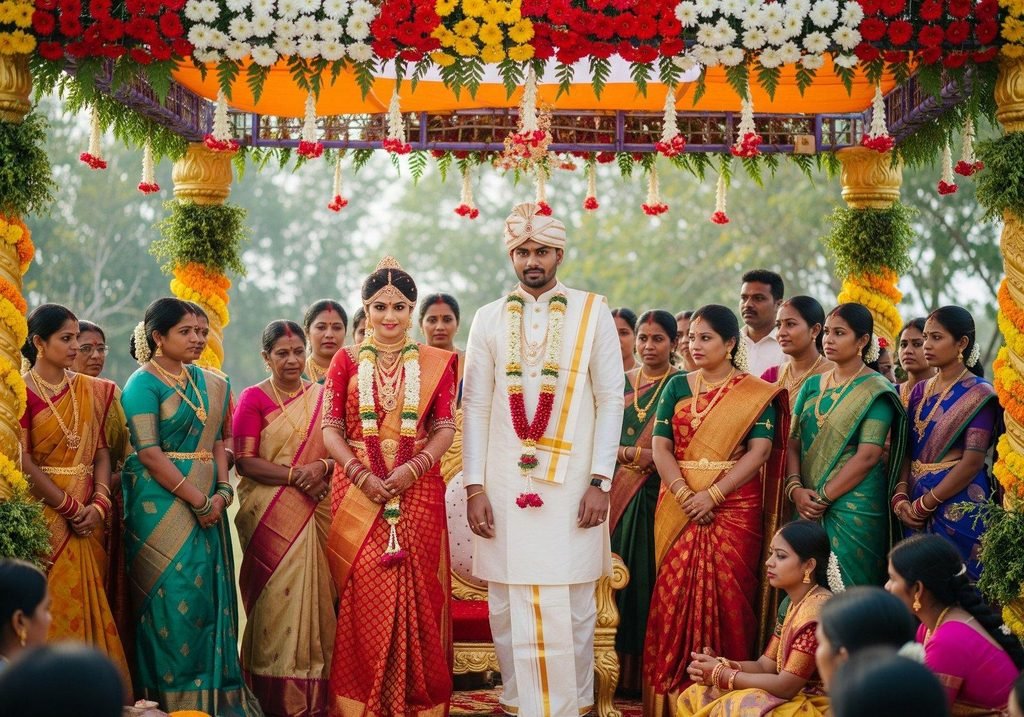
Family photographs are some of the most valuable images in a wedding album. Years later, these photographs can become especially meaningful because they bring together people who may not always be present in one place.
Before the wedding, prepare a simple list of the important family combinations you want. For example, you may want photographs with parents, grandparents, siblings, close relatives, cousins, or important family groups.
It can be helpful to ask a family member or trusted friend to assist with gathering people for these photographs. During a busy wedding, finding everyone at the same time can otherwise take longer than expected.
Give the list to your photographer before the wedding. This allows them to organize the group photographs efficiently while making sure important people are not accidentally missed.
7. Don’t Overthink Your Poses
You do not need professional modelling experience to enjoy your Wedding Photography Session. Feeling relaxed and being yourself are more important than remembering complicated poses. Your photographer can guide you through simple movements that help you look comfortable and natural in front of the camera.
For example, you can walk together, smile at each other, hold hands, share a conversation, or gently adjust your saree or dupatta. These simple actions create opportunities for genuine expressions and meaningful photographs. Instead of holding the same pose for too long, allow your photographer to capture different moments as they happen.
If you feel nervous when the camera is pointed at you, take your time and start with a few simple portraits. As you become more comfortable, your expressions and body language will gradually feel more natural. You can also tell your photographer if a particular pose feels awkward so they can suggest something more suitable.
Remember that your wedding photographs do not need to look perfect in every frame. A spontaneous laugh, a loving glance, or a small shared moment can become one of the most memorable pictures in your album. Focus on enjoying the experience rather than worrying about how you look in every photograph.
8. Communicate with Your Photographer
Good communication can make the entire photography experience easier. Your photographer cannot know every important detail of your wedding unless you tell them.
Let them know about special people, important rituals, cultural traditions, emotional moments, surprises, or anything else that matters to you.
For example, if a particular family member is travelling from another city and you especially want a photograph with them, mention it beforehand. Similarly, if there is a traditional ritual that is particularly important to your family, your photographer should know when it is expected to happen.
You can also tell your photographer if there are certain types of photographs you particularly enjoy or prefer to avoid. Open communication helps both sides understand expectations and work together more comfortably.
9. Plan Your Wedding Photography Session for Couple Portraits
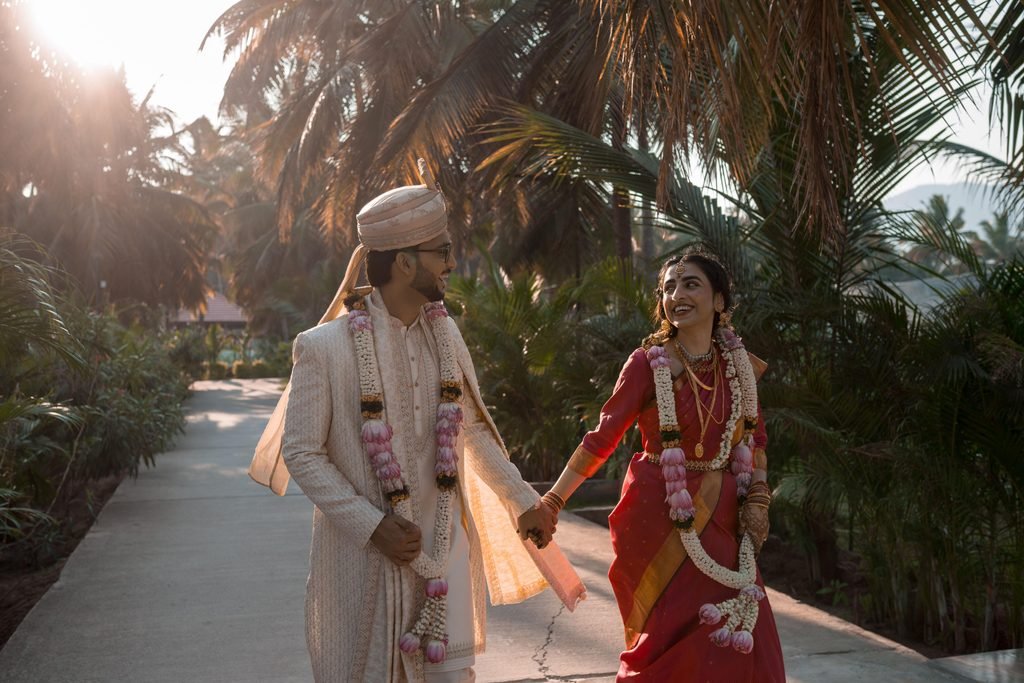
Your wedding day can become extremely busy. Between rituals, family photographs, guests, celebrations, and other responsibilities, couples sometimes have very little time alone.
Try to reserve even a short period for couple portraits. It does not need to be a long session. Even 15 to 20 minutes can provide an opportunity to capture relaxed photographs without the pressure of a large crowd around you.
Use this time to slow down for a moment and enjoy being together. You can talk, laugh, walk, or simply look at each other while your photographer captures the interaction.
These photographs often become some of the most personal images in a wedding album because they show the connection between the couple rather than only documenting the ceremony.
If possible, discuss this time with your photographer and wedding planner in advance so that it can be included naturally in the schedule. If you are planning your photography budget, explore our wedding photography packages to compare the available options and choose one that suits your celebration.
10. Relax and Enjoy the Day
The most important preparation tip is to enjoy your wedding. It is easy to become focused on whether everything is happening exactly according to plan, but some of the most beautiful photographs happen when couples forget about the camera.
Talk to your partner, laugh with your friends, spend time with your family, enjoy the rituals, and be present in the celebration.
Your photographer will be watching for genuine moments such as a parent’s emotional expression, a friend’s laughter, a quiet glance between the couple, or a spontaneous reaction during a ceremony.
You do not need to create every photograph. Many of the best photographs simply happen naturally.
When you are relaxed, your expressions become more genuine and your photographs are more likely to reflect your real personality.
Final Thoughts
Preparing for your Wedding Photography Session does not mean planning every photograph in advance. It is about taking care of the important details so you can enjoy the actual wedding day without unnecessary stress.
Discuss your photography style, prepare your outfits and accessories, identify suitable locations, share your wedding timeline, and create a family photo list. Most importantly, communicate openly with your photographer and allow yourself enough time to enjoy the celebration.
Your wedding photographs are not only about beautiful poses or perfectly decorated backgrounds. They are about the people, emotions, traditions, laughter, relationships, and little moments that make your wedding unique.
Years from now, you may not remember every small detail of the day, but a photograph can bring back the feeling of that moment instantly. So prepare well, trust your photographer, stay relaxed, and allow your wedding story to unfold naturally in front of the camera.